

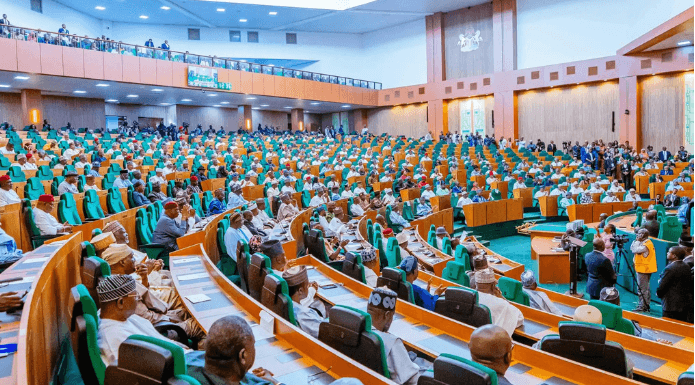
Nigeria’s House of Representatives Committee on University Education has sounded the alarm over what it described as a disturbing and continuous exodus of academic and non-teaching staff from the nation’s universities — a trend that lawmakers say poses a grave threat to the stability and quality of higher education.
Chairman of the Committee, Abubakar Fulata, raised the concern on Thursday during an oversight visit to federal and state-owned universities in the South-East. He revealed that while institutions are steadily losing experienced personnel, there have been no corresponding recruitment exercises to replace those who have exited the system.
Citing the University of Nigeria, Nsukka (UNN) as an example, Fulata disclosed that over 3,000 teaching and non-teaching staff have left the institution since 2019 through retirement or death, yet approvals have only been granted for the recruitment of about 500 replacements.
“It is abnormal and dangerous for the university system to keep losing lecturers and non-academic staff through retirement or other causes without making provisions for replacements,” Fulata warned. “It is equally unhealthy for the system to have about 3,000 people leave and be granted approval to recruit only 500. This imbalance undermines academic continuity and institutional capacity.”
He urged the Federal Ministry of Education, university governing councils, and relevant agencies to urgently address the growing manpower crisis, warning that unfilled vacancies in key academic and administrative positions could further weaken the already fragile university system.
Fulata also called on universities to comply fully with the federal character principle in recruitment and appointments, emphasizing that many institutions have failed to reflect national diversity in their staffing patterns.
The lawmaker assured that the committee would continue to engage stakeholders to strengthen higher education and curb the growing talent drain from Nigerian universities.
Experts say the mass departure of lecturers and researchers — part of a broader “brain drain” sweeping through Nigeria’s education and health sectors — is a direct consequence of poor remuneration, inadequate funding, and unstable policy environments. Many academics have continued to leave the country in search of better opportunities abroad, leaving behind a widening gap in teaching, research, and administration.
As the nation grapples with this crisis, concerns are mounting that without urgent intervention, Nigeria’s universities may struggle to maintain their academic standards and global competitiveness in the years ahead.