

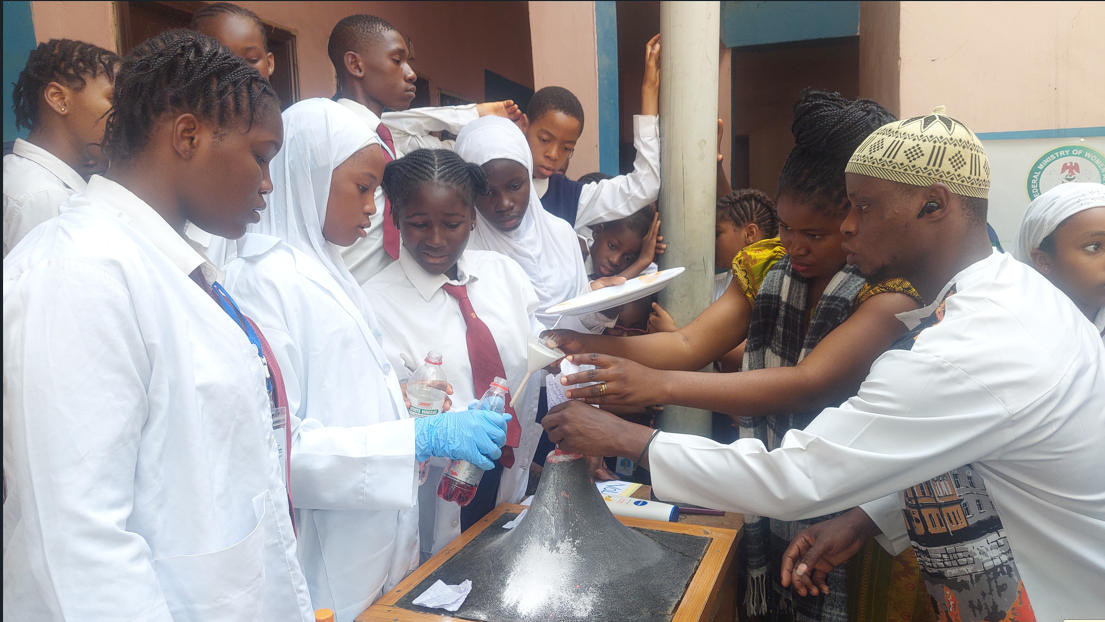
It was a celebration of curiosity, creativity, and confidence as Pinky and the Brain School held a remarkable STEM Day on Thursday, 5th February, transforming the school premises into a hub of scientific discovery and innovation.
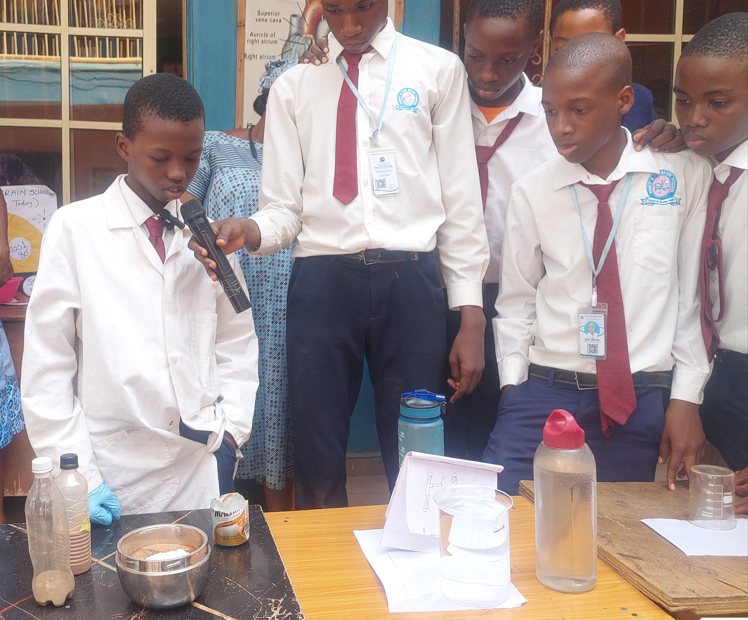
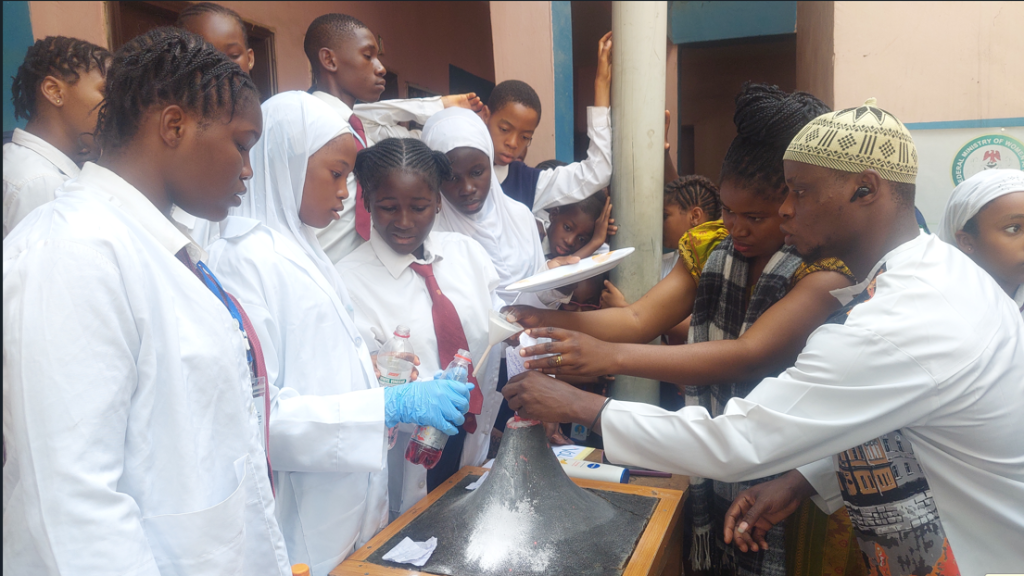
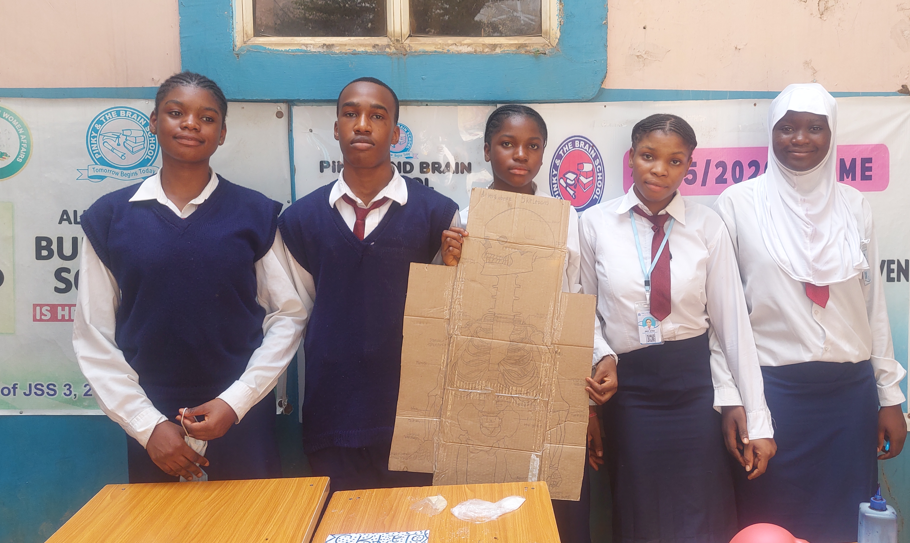
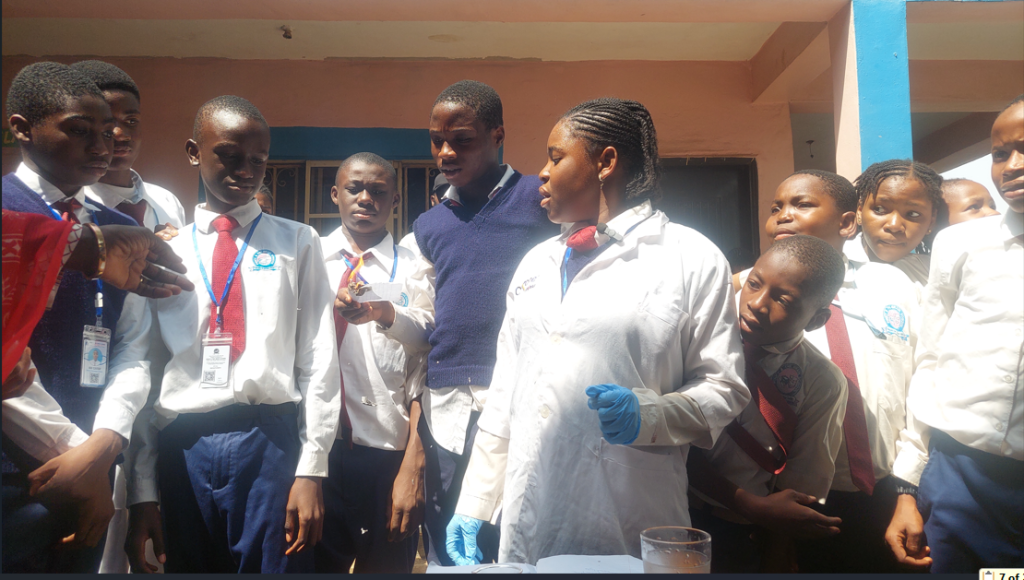
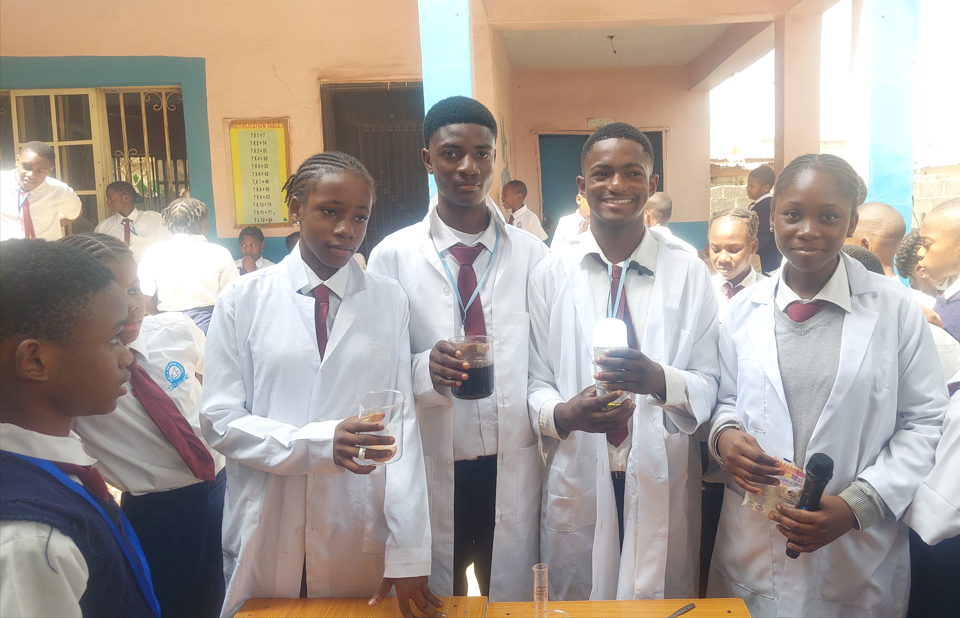
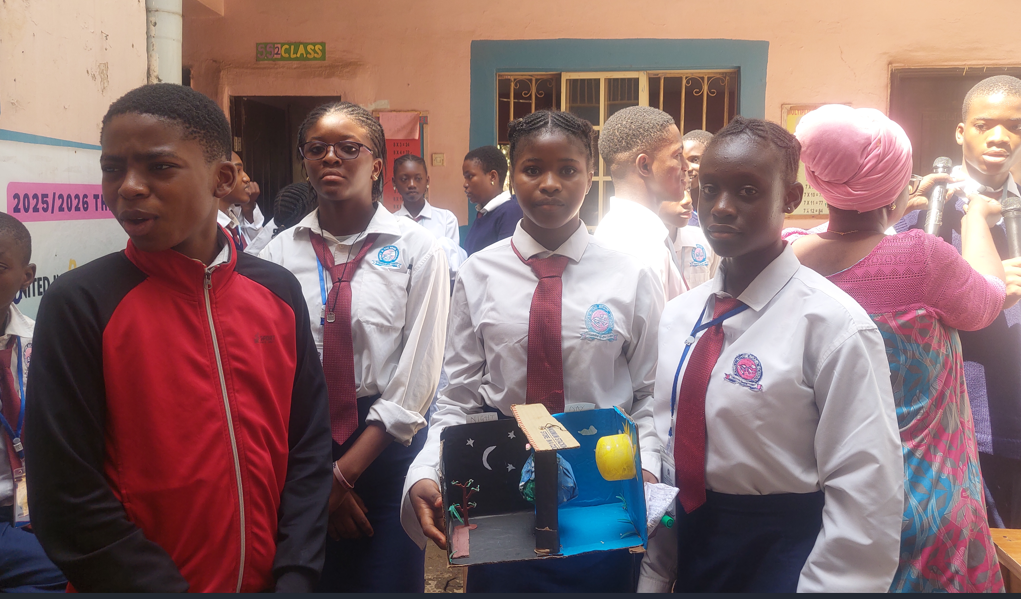
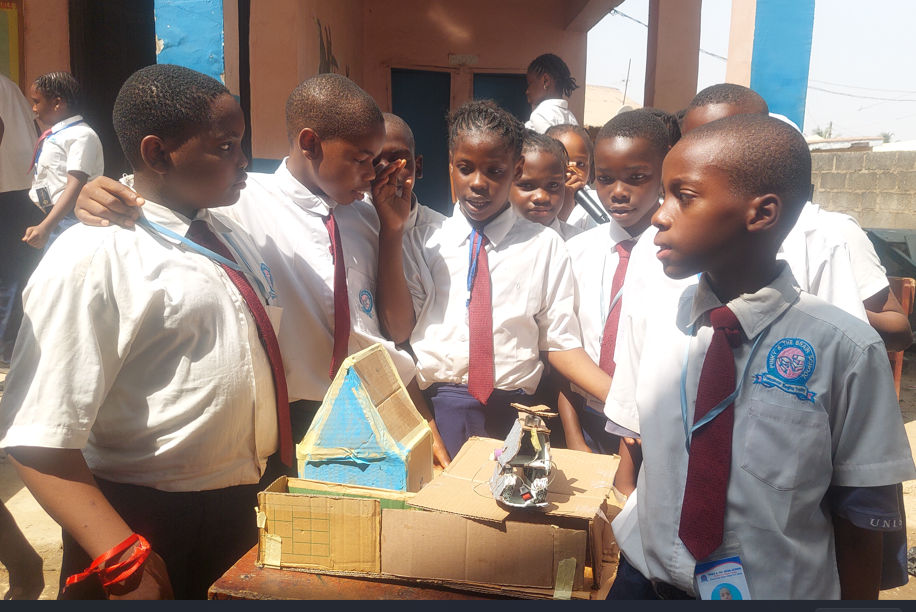
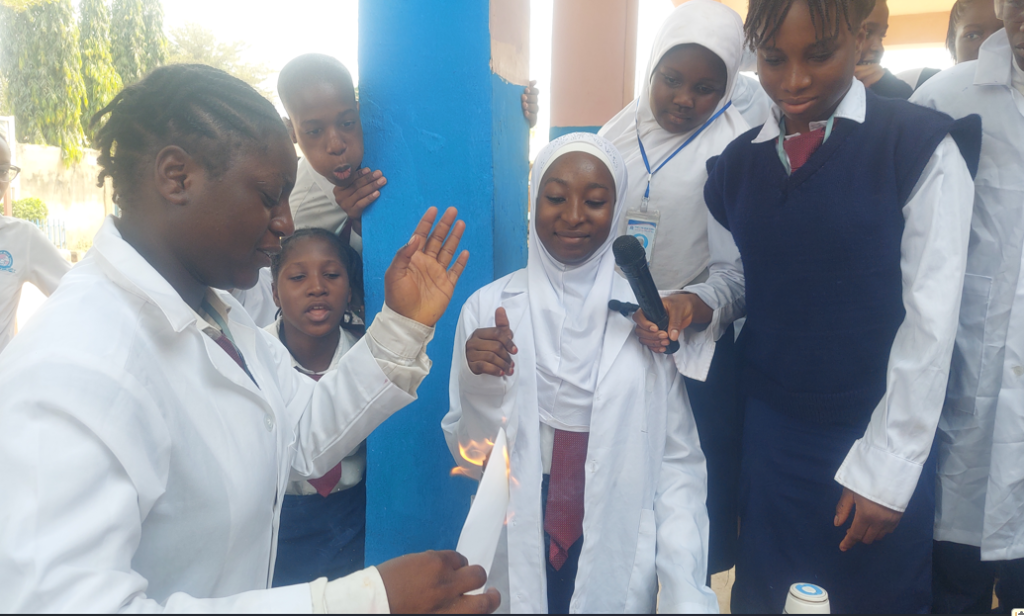
From electric power generation models to detailed skeletal system analysis, learners across various classes demonstrated an impressive depth of knowledge through hands-on science projects. The event was not just an exhibition—it was a powerful display of how young minds can think critically, experiment boldly, and present intelligently when given the right platform.
Parents, invited guests, and members of the school community moved from stand to stand, engaging with students who confidently explained complex scientific concepts in simple and practical terms. Some learners showcased miniature power generation systems, illustrating how energy can be produced and distributed, while others presented well-structured anatomical models that broke down the human skeletal system with clarity and precision.
The atmosphere was electric. Students were not merely reciting facts; they were defending hypotheses, demonstrating experiments, and answering probing questions with composure. It was evident that preparation had gone beyond textbooks—this was applied learning in action.
The school’s management emphasized that the STEM Day initiative is designed to nurture problem-solving skills, innovation, and early interest in science, technology, engineering, and mathematics. By encouraging learners to research, build, and present their own projects, the school continues to position itself as a forward-thinking institution committed to academic excellence and practical education.
Covering the event was , capturing key moments and student presentations. The highlight of the event is now available on the YouTube channel, giving a broader audience the opportunity to witness the brilliance and confidence displayed by the learners.
STEM Day at Pinky and the Brain School was more than an academic activity—it was a statement. A statement that when young learners are empowered, equipped, and encouraged, they do not just learn science; they live it.