

Nigeria’s education sector is facing renewed scrutiny following revelations that nearly 89 per cent of children aged 10 in the country cannot read and understand a simple story, a situation experts say reflects deep-rooted challenges within the system, particularly the welfare and working conditions of teachers.
The alarming figure, drawn from global learning poverty data and highlighted during reflections on the recent International Day of Education, places Nigeria among the lowest-performing countries in terms of foundational literacy.
Education advocates say the statistic represents millions of children who attend school but are unable to acquire basic learning skills, raising concerns about the long-term implications for the nation’s economic growth, security, and social stability.
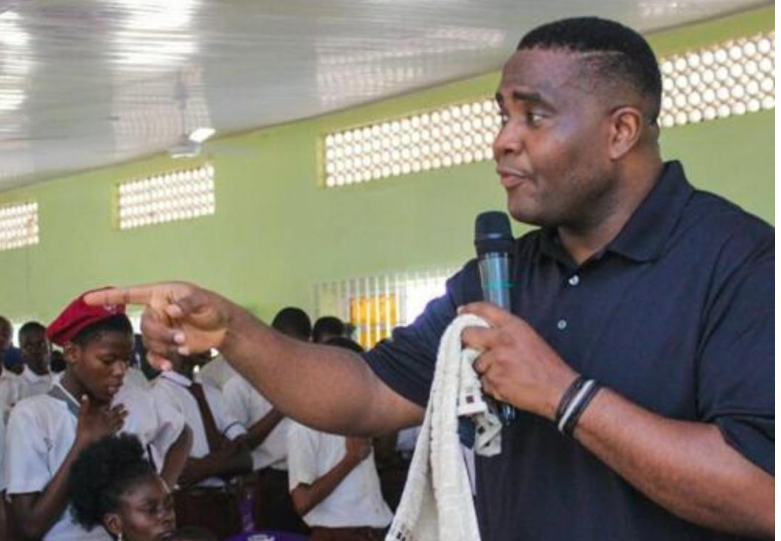
Founder of WeCare Club International and convener of the Teachers Lives Matter Campaign (TLMC), Triumph-Abatan Yomi, said the crisis is closely linked to the condition of teachers across the country.
According to him, while education reforms often focus on curriculum development, infrastructure, and technology, the most critical factor in improving learning outcomes remains the teacher in the classroom.
Through engagements with more than 2,500 teachers across about 150 schools in Lagos State, Yomi said the same pattern repeatedly emerges—teachers struggling with overcrowded classrooms, financial pressure, limited professional development opportunities, and growing emotional fatigue.
“We speak frequently about learning poverty, but we rarely talk about teacher poverty. The two are inseparable,” he said.
Nigeria currently allocates less than seven per cent of its federal budget to education, far below the 15–20 per cent benchmark widely recommended for meaningful reform. Although the country’s 2026 education budget stands at about ₦2.4 trillion, analysts note that tertiary institutions receive the largest share of funding.
As a result, basic education—where foundational literacy and numeracy skills are built—continues to face severe resource constraints.
Reports indicate that federal unity colleges across the country are facing a shortage of more than 3,500 teachers, particularly in science and technical subjects. In many rural communities, pupil–teacher ratios exceed 70 students to one teacher, making individualised instruction nearly impossible.
Low remuneration has also been identified as a major challenge. Many public primary and secondary school teachers reportedly earn between ₦50,000 and ₦85,000 monthly, an amount experts say barely covers living expenses in major cities.
Education specialists warn that when teachers face financial strain, excessive workloads, and emotional exhaustion, the quality of classroom instruction inevitably declines.
Recent academic studies examining Nigerian secondary school teachers have also found a strong relationship between heavy workloads and professional burnout, particularly among female educators. Analysts say such burnout affects lesson preparation, classroom consistency, and student engagement.
International comparisons further highlight the importance of investing in teachers. Countries such as Finland and Singapore treat teaching as a high-status profession, investing heavily in teacher training, career progression, and competitive salaries.
Similarly, sustained investments in teacher development have helped Vietnam significantly improve literacy outcomes over the past decades.
“These examples show a simple truth: the quality of an education system rarely exceeds the quality of its teachers,” Yomi noted.
Based on pilot programmes conducted in Lagos, education advocates have proposed a holistic support approach for teachers known as the Five Total Teacher Enhancement Pillars Framework. The framework focuses on improving teachers’ spiritual, mental, physical, social, and financial wellbeing.
According to proponents, addressing only one aspect of teacher welfare without tackling other stress factors often produces only temporary results.
Experts also warn that education outcomes are directly linked to economic mobility and national stability, noting that regions with persistent educational exclusion frequently experience broader socio-economic challenges.
They argue that investing in teachers should therefore be viewed not as a welfare gesture but as a strategic national policy.
“If nearly nine out of ten children cannot read proficiently by age 10, the future workforce pipeline is already compromised,” Yomi said.
He recommended several reforms, including increased education funding to meet global benchmarks, accelerated recruitment of teachers in underserved areas, stronger professional development systems, and expanded partnerships with the private sector.
He also called for a shift in societal attitudes toward the teaching profession, urging Nigerians to view teaching not as a fallback career but as critical nation-building work.
Education experts say addressing Nigeria’s learning poverty crisis will require sustained commitment and systemic reforms, beginning with improving the welfare, training, and support systems for teachers.
“When teachers are strengthened, classrooms stabilise. When classrooms stabilise, literacy improves. And when literacy improves, national capacity expands,” Yomi said.