

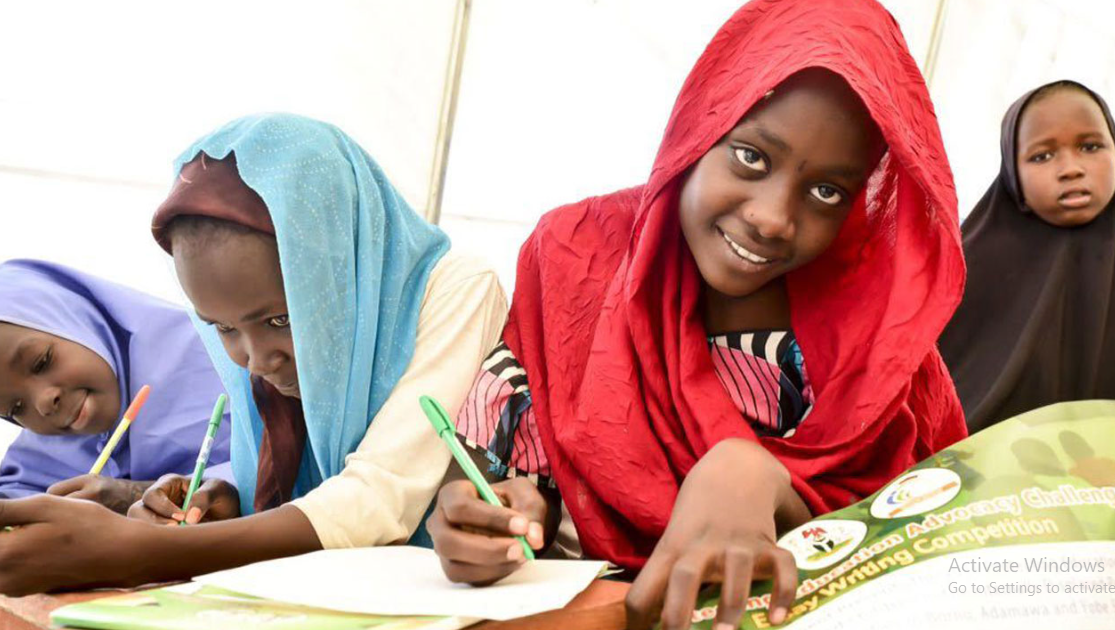
A community-driven programme aimed at challenging social norms around girls’ education and early marriage has reduced the rate of child marriage by more than 80 percent among over 1,000 girls in northern Nigeria, according to a new study published in Nature.
The research highlights the impact of coordinated community action in addressing one of the region’s most persistent social challenges. By combining education support, community engagement and empowerment initiatives, the programme significantly reduced the likelihood of girls marrying before the age of 18.
Globally, an estimated 12 million girls marry before their 18th birthday every year. Northern Nigeria records some of the highest rates of child marriage in the world, with about 78 percent of girls married before reaching adulthood. Early marriage is often linked to interrupted education, limited decision-making power and serious health risks. Girls who give birth before the age of 15 are five times more likely to die during childbirth than women who give birth in their twenties.
Many existing interventions focus on a single factor associated with child marriage, such as attitudes or economic pressures. However, researchers say such isolated approaches may fail to address the complex social and cultural forces that sustain the practice.
To better understand how broader interventions could make a difference, researchers led by Isabelle Cohen evaluated a two-year initiative known as “Pathways to Choice,” implemented in 18 communities in northern Nigeria.
The programme worked closely with community and religious leaders while also supporting girls directly. Out-of-school girls were enrolled in safe-space groups where they received mentoring, life skills training and guidance. The initiative also provided remedial education and helped girls return to school or enroll in vocational training.
Researchers surveyed 1,181 unmarried girls aged between 12 and 17 before the programme began in 2018 and conducted a follow-up survey in 2020.
The results were striking. About 79 percent of girls in communities where the programme was implemented remained unmarried by the end of the study period, compared with only 13.8 percent of girls in communities that did not receive the intervention. This represents a reduction in child marriage of just over 80 percent.
Beyond delaying marriage, the programme also produced broader benefits. Girls involved in the initiative recorded higher school attendance, improved self-confidence, stronger self-advocacy skills and more gender-equitable beliefs about the roles of girls and women in society.
While increased access to education explained roughly 30 percent of the reduction in early marriage, the researchers found that wider shifts in community attitudes and social support played the most significant role.
The study concludes that community-wide programmes that simultaneously promote girls’ education, challenge harmful norms and reduce social pressure for early marriage can produce lasting change.
Researchers say the findings strengthen global evidence that integrated, multi-layered approaches are among the most effective strategies for reducing child marriage and improving long-term opportunities for girls.