

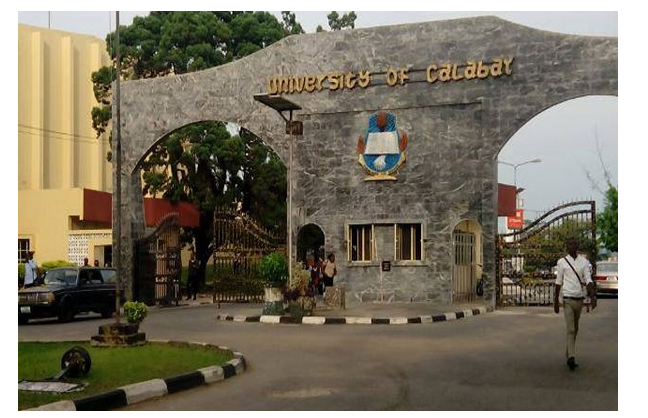
The Nigerian Education Loan Fund (NELFUND) has directed students of the University of Calabar (UniCal) with complaints over delayed tuition refunds to channel their concerns to the university authorities, distancing itself from the controversy surrounding the payments.
The clarification followed growing frustration among beneficiaries who claimed they were yet to receive refunds for tuition fees they had previously paid before securing the student loan support.
Speaking on the matter, NELFUND’s Director of Strategic Communications, Oseyemi Oluwatuyi, stated that the issue falls within the responsibility of the institution and not the loan agency.
“It’s between them and their school. It has nothing to do with NELFUND,” he said in a brief WhatsApp response.
Some affected students, who spoke anonymously for fear of victimisation, alleged that despite claims by the university that refunds had commenced, many beneficiaries had not received any payment.
The situation, according to the students, has triggered confusion and anxiety on campus, especially among those who borrowed money or made personal sacrifices to meet tuition deadlines with the expectation of being reimbursed after the NELFUND disbursement.
One of the students disclosed that beneficiaries had created a WhatsApp group where updates about possible refunds were being shared, but noted that no student had publicly confirmed receiving any refund despite circulating reports suggesting otherwise.
“Up until now, nobody has come out to say they have received any refund, yet the school is saying that payments have been made,” the student said.
The student also questioned the role of the institution’s NELFUND Desk Officer, Mrs Elizabeth Effiwatt, who was reportedly part of the online platform where complaints were being discussed.
“The desk officer is on the platform and sees everything happening there. If truly payments have been made, why has she not verified from students or addressed the complaints being raised?” the student asked.
The development adds to ongoing concerns about transparency and communication in the implementation of the student loan scheme, which was introduced to ease financial barriers to tertiary education across Nigeria.