

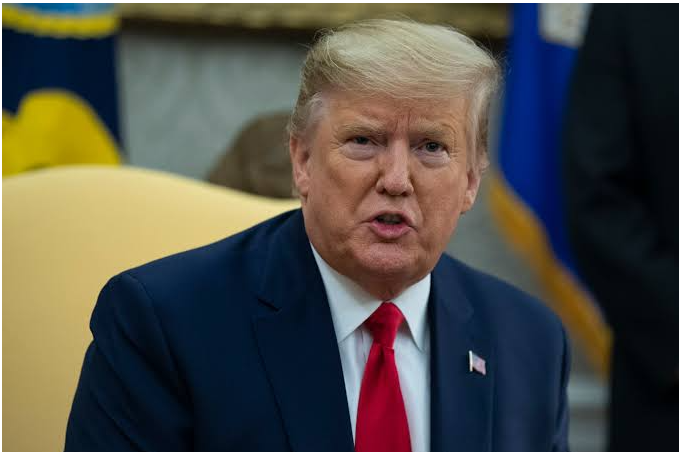
The White House has accused the Norwegian Nobel Committee of choosing “politics over peace” after it failed to award President Donald Trump the 2025 Nobel Peace Prize, despite what aides described as his “unprecedented record” in global conflict resolution. In a statement posted on social platform X early Friday, White House Communications Director Steven Cheung called the decision “a politically motivated snub of a true peacemaker,” arguing that the Committee had “proved they place politics above the pursuit of global peace.”
Cheung hailed Trump as “a humanitarian with the power to move mountains,” citing his administration’s peace initiatives across at least seven global conflict zones since his return to the White House in January. The president’s nomination was backed by several foreign governments, including Israel, Cambodia, and Pakistan, following his widely publicised mediation efforts in the Middle East. Just a day before the announcement, Rep. Anna Paulina Luna (R-Fla.) had formally nominated Trump for brokering a 20-point peace plan between Israel and Hamas, which led to a confirmed ceasefire after two years of war in Gaza.
However, the Nobel Committee awarded this year’s Peace Prize to Venezuelan opposition leader María Corina Machado, recognising her for “tireless work promoting democratic rights for the people of Venezuela and her struggle to achieve a just and peaceful transition from dictatorship to democracy.” The decision sparked backlash among Trump’s supporters, who argued that his peace efforts in the Middle East and other regions represented a diplomatic achievement unmatched by any recent U.S. administration.
Reacting to the outcome, Cheung maintained that the president would “continue making peace deals, ending wars, and saving lives — with or without a Nobel Prize.” Trump himself downplayed the snub, telling reporters, “They’ll have to do what they do. I didn’t do it for that — I did it because I saved a lot of lives.” Analysts, however, noted that Trump’s chances had always been slim, given the Committee’s long-standing preference for activists and diplomats over sitting world leaders.