

In a bold move to tackle illiteracy and expand access to education, the Abia State Government has launched an accelerated basic education programme that compresses the traditional six-year primary school curriculum into just three years.
The initiative, implemented through the State Agency for Mass Literacy, Adult and Non-Formal Education, is specifically designed for adults and out-of-school residents who were unable to complete their basic education. The programme offers participants an opportunity to earn their first school-leaving certificate within a shorter timeframe.
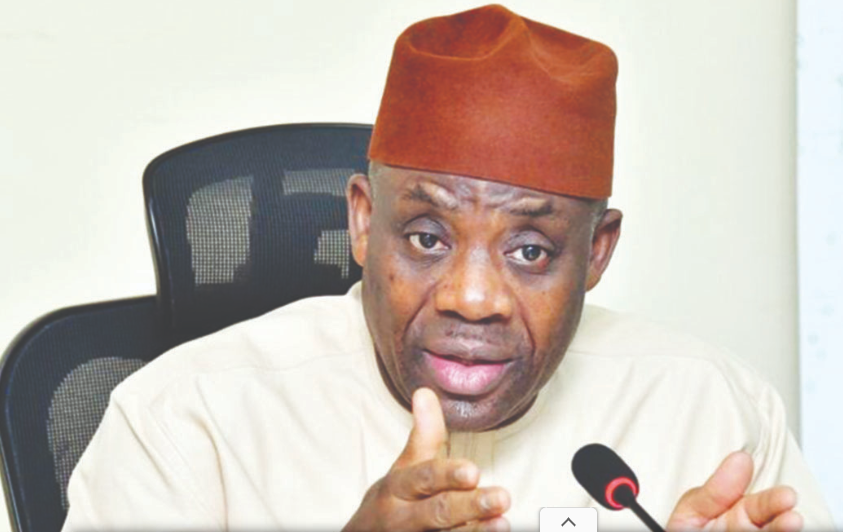
Announcing the development after the State Executive Council meeting in Umuahia, Commissioner for Information, Prince Okey Kanu, urged eligible residents to take advantage of the programme, describing it as a critical step toward inclusive education. He noted that Abia is among a few states pioneering such an initiative to bridge long-standing educational gaps.
Kanu also revealed that the state has been selected as a beneficiary of a $250 million World Bank Health Security Grant, attributing the recognition to ongoing reforms in the health sector. He highlighted the absence of major disease outbreaks such as Lassa fever, cholera, and diphtheria in recent times as evidence of improved public health management.
On education, the commissioner provided updates on the recruitment of 4,000 additional teachers, stating that results from oral interviews for shortlisted candidates are being compiled. He disclosed that over 7,280 applicants scored above 40 percent in the computer-based test, assuring that the process remains transparent and strictly merit-based.
In the health sector, Kanu announced the commencement of the 2026 Association of Nigerian Physicians in the Americas (ANPA) Medical Mission, which began on April 14. The outreach is expected to deliver at least 1,500 medical consultations and 100 specialized surgeries across designated facilities in Aba and Umuahia.
Health Commissioner Professor Enoch Uche described the mission as a rare opportunity for residents to access high-quality medical care without traveling abroad. Beyond treatment, he said the programme would also strengthen local healthcare capacity through training and knowledge exchange.
The government further disclosed the rollout of the Rural Emergency Services and Maternal Transport Programme in three local government areas—Bende, Obingwa, and Ukwa East—identified as having high maternal mortality rates. The initiative aims to improve access to emergency care and reduce deaths among mothers and newborns.
Together, these measures reflect a coordinated effort by the Abia State Government to improve both education and healthcare outcomes, particularly for underserved populations.