

When Iheanyi Onwuegbucha returned to Nigeria after studying Museum and Gallery Studies at Leeds University, he expected a moment of connection with his heritage at the National Museum in Lagos. Instead, he encountered a stark reality: a place that felt disconnected from the people it was meant to serve. His taxi driver doubted the museum’s existence, and when he finally arrived, Onwuegbucha found himself alone in its halls.
That experience reflects a broader challenge facing many of Africa’s museums—institutions often rooted in colonial frameworks, struggling to remain relevant to local audiences despite their global recognition. While African artifacts are celebrated in major museums across Europe and North America, the institutions that house similar histories on the continent frequently suffer from low patronage and limited public engagement.
For Onwuegbucha, the issue is deeply tied to history and perception. He observed a clear link between how museums are presented, their colonial origins, and their diminished relevance in contemporary African society. Many of these institutions were not originally designed to serve or reflect local communities, and that legacy continues to shape how they are viewed today.
A growing movement, however, is seeking to change that narrative. The Living Object Foundation, established in 2024, is at the forefront of efforts to reimagine Africa’s museums as vibrant, community-centered spaces. Its mission is to transform museums into places that actively engage audiences, integrate with education systems, and tell African stories through African perspectives.
At its recent “Rethink” workshop in Lagos, the foundation brought together leading voices in African museology to confront longstanding challenges and chart a new path forward. The gathering created a platform for African museum professionals to participate more actively in global conversations about heritage, representation, and restitution—areas where their voices have often been sidelined.
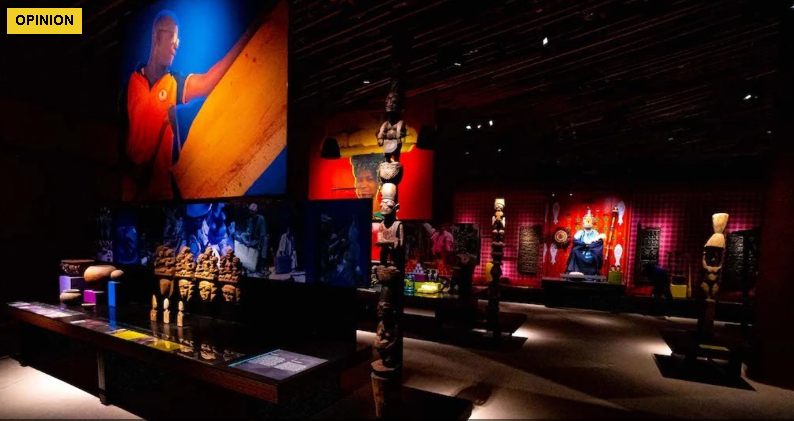
Central to this emerging vision is the idea that museums in Africa must move beyond static displays of the past and become dynamic institutions that resonate with present-day audiences. This includes rethinking exhibition styles, embracing storytelling that reflects lived experiences, and forging stronger connections with schools and local communities.
The push for reinvention also intersects with ongoing debates about repatriation—the return of African artifacts held in foreign institutions. While the restitution of cultural objects is an important step, advocates argue that it must be matched with efforts to strengthen the institutions that will house them, ensuring they are accessible, engaging, and meaningful to local populations.
Africa’s new museum movement is not just about preserving history; it is about reclaiming ownership of narratives and redefining how culture is experienced. If successful, it could transform museums from overlooked relics of the past into powerful spaces of identity, education, and pride for future generations.