

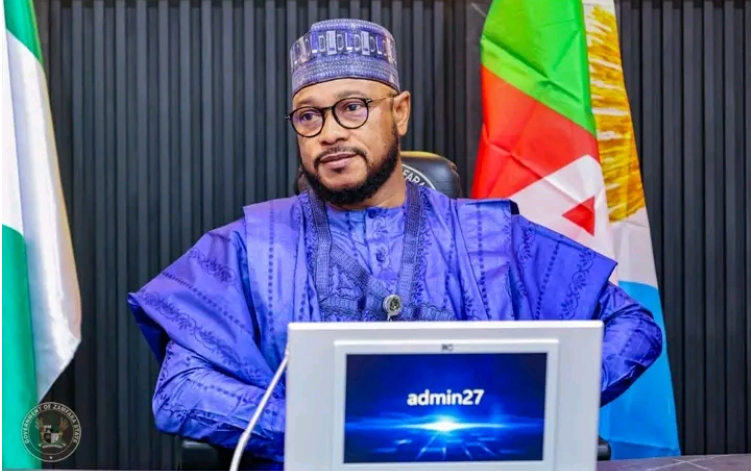
Governor Dauda Lawal has approved an ambitious 120-day rapid intervention plan aimed at tackling deep-rooted challenges in Zamfara State’s education sector, signaling a decisive push to restore confidence in public schooling.
The decision was reached during a State Executive Council meeting held at the Government House in Gusau, where officials outlined a sweeping set of reforms designed to address systemic gaps and improve learning conditions across the state.
According to a statement from the council, the intervention plan builds on earlier diagnostic findings and will focus on critical areas such as payroll audits, school mapping, and comprehensive infrastructure assessments. The initiative is also set to drive reforms in governance, teacher development, digital transformation, and student welfare—key pillars seen as essential to reviving the sector.
In a move to enhance school safety and learning environments, the council approved the creation of a special committee tasked with identifying illegal structures around schools and overseeing their relocation. Authorities say this step will help create more secure and conducive spaces for students.
The council further endorsed a unified education sector bill that will harmonize policies from early childhood to tertiary education. The proposed legislation is expected to be presented to the Zamfara State House of Assembly in the coming weeks.
As part of efforts to improve efficiency within schools, non-teaching staff will be redeployed to relevant ministries, departments, and agencies, ensuring that human resources are better aligned with institutional needs.
To guide the reform process, the government also approved the formation of a high-level steering committee on the state of emergency in education. This body will work alongside a technical working group comprising key stakeholders, including unions, development partners, and traditional leaders, to ensure broad-based participation and accountability.
The 120-day plan reflects the administration’s urgency in confronting the education crisis and underscores its commitment to delivering measurable improvements within a short timeframe. Observers say the success of the initiative will depend largely on sustained political will and effective implementation.