

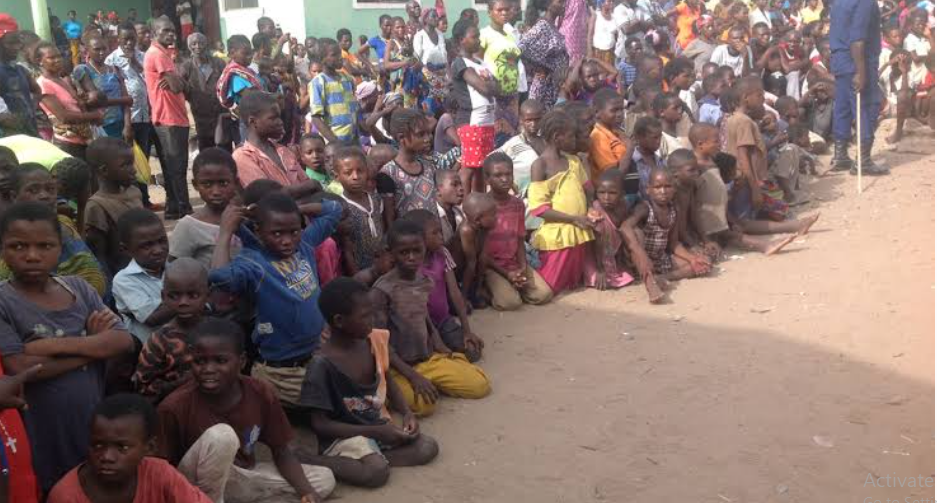
Kaduna State has taken a major step in addressing its out-of-school children crisis, hosting a high-level monitoring meeting for the Reaching Out of School Children (ROOSC) project, with the federal government and international partners reaffirming their commitment to enroll 100,000 children over the project’s four-year span.
Speaking at the meeting, the state Commissioner for Education, Abubakar Sani Sambo, reiterated the commitment of Governor Uba Sani’s administration to reducing the number of out-of-school children through sustained implementation of the initiative. He praised key development partners—including the Global Partnership for Education (GPE), Kuwait Fund, Islamic Development Bank (IsDB), Education Above All, Save the Children, and UNICEF—for their continued support in expanding access to quality education in the state.
Sambo noted that the ROOSC project aligns with the government’s broader human capital development agenda, emphasizing that collaboration with global institutions remains vital to bridging existing education gaps. He also called on local governments and community stakeholders to intensify efforts in enrollment campaigns and project monitoring.
Representing the federal government, Folake Olatunji David, Director of Basic Education at the Federal Ministry of Education, underscored education as a top priority under President Bola Tinubu’s administration. She described ROOSC as Nigeria’s first multiplier project with GPE, designed to strengthen multi-stakeholder collaboration in tackling the country’s persistent out-of-school children challenge.
She referenced gains recorded under the 2015 Nigeria Partnership for Education Project implemented across five northern states, including Kaduna, while acknowledging that significant work remains.
International partners echoed their support for the initiative. Jawara Gaye of the Islamic Development Bank said the project is central to efforts aimed at improving access to education and learning outcomes in countries like Nigeria and Pakistan, both of which face high out-of-school populations. He pledged continued collaboration to ensure the project meets its targets.
GPE representative Dorian Gay highlighted the project’s focus on marginalized groups, including girls, children with disabilities, and those affected by conflict. Jane Mbagi Mutua of Save the Children stressed that access to education not only empowers children but also serves as a critical layer of protection.
Providing an update on implementation, Kaduna’s ROOSC Project Coordinator, Ezra Angai, noted that the 2026 Joint Supervision Mission marks the initiative’s second year. Despite challenges such as inflation and foreign exchange fluctuations, he affirmed that all partners remain committed to achieving the goal of returning 100,000 children to school.
UNICEF’s Balad Ada described the review meeting as a crucial step toward ensuring that every child in Kaduna has access to safe, inclusive, and quality education, reinforcing the shared resolve to turn commitments into measurable outcomes.