

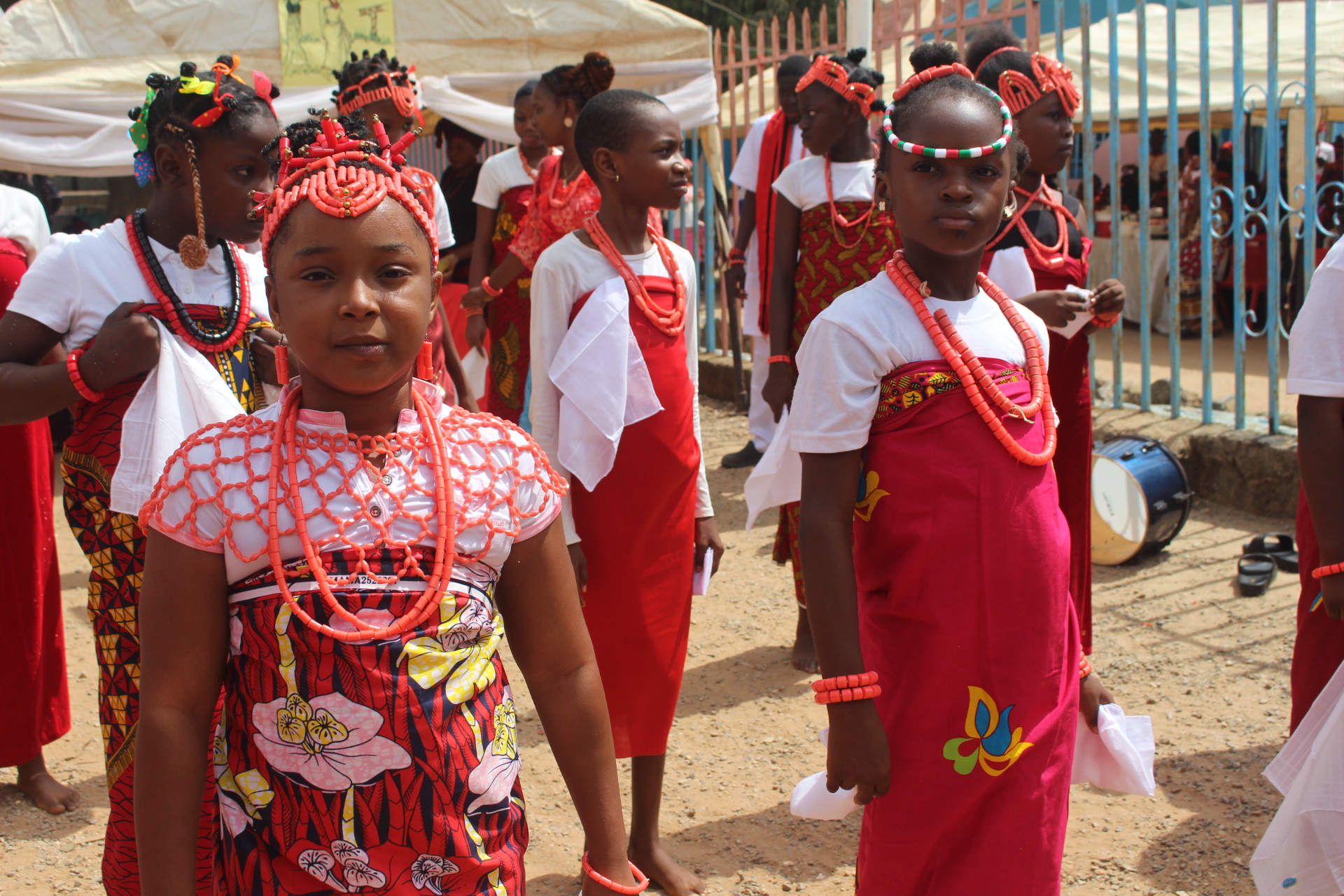
As Africa marked another Children’s Day, one important question echoes across homes, classrooms, and communities: What truly is the future of the African child?
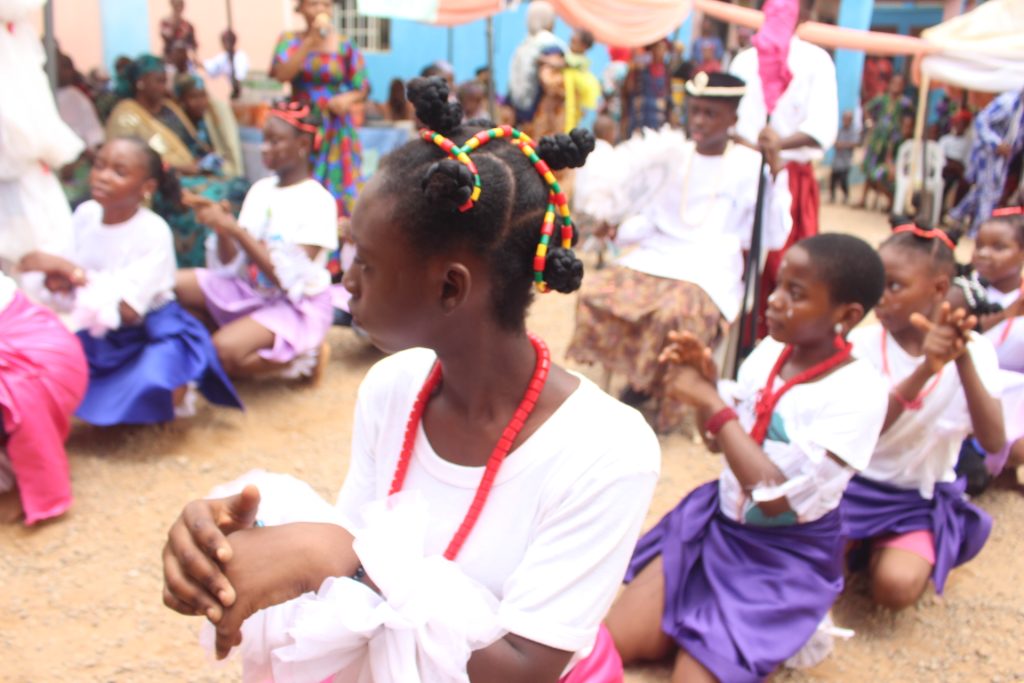
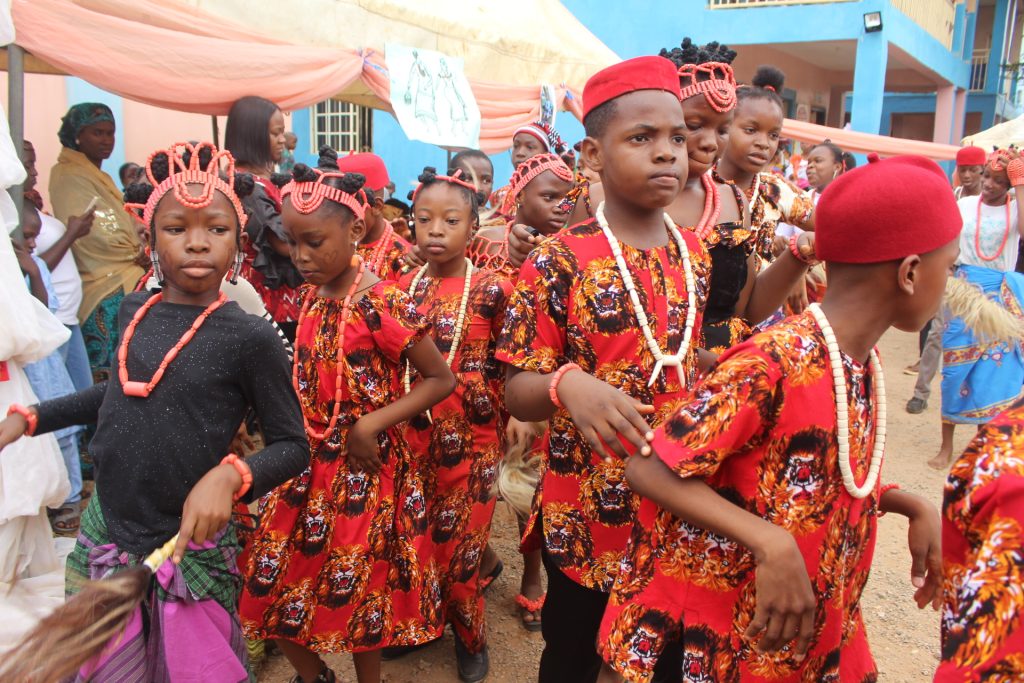
For millions of children across the continent—especially in Nigeria—hope remains alive, but heavily challenged. Behind the colorful celebrations, dancing, and speeches are children carrying dreams in difficult environments. Some dream of becoming doctors, engineers, pilots, teachers, inventors, and leaders. Yet many wake up daily to realities that threaten those dreams.
Children are often described as the leaders of tomorrow. But the truth is, the quality of tomorrow depends on how they are treated today.
Education remains the strongest bridge between poverty and possibility. Across Africa, children still walk long distances to school because they believe education can change their future. In Nigeria, millions of parents continue to sacrifice daily just to keep their children in classrooms.
A mother skips meals to pay school fees.
A father works extra hours to buy textbooks.
Teachers continue to teach despite harsh conditions because they believe in the potential of children.
Yet, the educational system continues to face enormous challenges. Many public schools lack adequate classrooms, learning materials, electricity, and qualified teachers. In some communities, children sit on bare floors to learn. Others study under leaking roofs or trees.
Even more painful is the growing number of out-of-school children in Nigeria—one of the highest in the world. Every child denied education is a dream delayed and a future endangered.
Education is not just about passing examinations. It is about building thinkers, innovators, responsible citizens, and problem solvers. A nation that neglects education weakens its own future.
CH27