

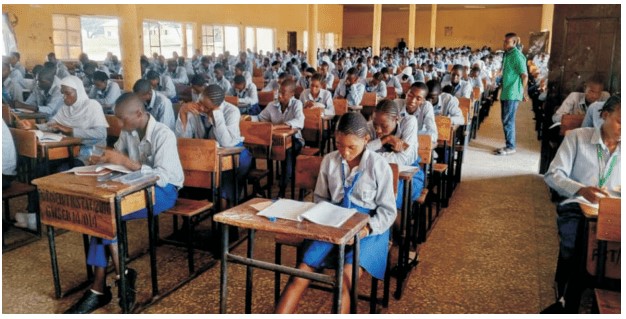
As conversations about the future of education continue across Nigeria, one issue remains at the centre of the debate: the link between education funding and quality learning outcomes.
For years, stakeholders have argued that the Nigeria’s education sector is expected to deliver world-class results despite receiving inadequate financial support. From overcrowded classrooms and dilapidated infrastructure to shortages of qualified teachers and learning materials, many of the challenges confronting schools are directly tied to insufficient funding.
Education experts warn that while access to education has improved in many areas, quality remains a major concern. Millions of learners still attend schools lacking basic facilities such as libraries, laboratories, digital learning tools, and conducive learning environments. In some communities, teachers struggle with poor welfare packages, delayed salaries, and limited opportunities for professional development.
The situation is particularly troubling at a time when countries around the world are investing heavily in technology, innovation, and skills development to prepare young people for the future workforce. Analysts fear that without significant improvements in funding, Nigeria may find it difficult to compete in the rapidly evolving global knowledge economy.
Stakeholders are therefore calling on governments at all levels to increase budgetary allocations to education and ensure that available resources are efficiently managed. They argue that investment in education should not be viewed as an expenditure but as a strategic commitment to national development.
Ultimately, the quality of any education system depends on the resources committed to it. As Nigeria seeks to build a more prosperous future, the debate continues over whether current funding levels are sufficient to deliver the standard of education the nation’s learners deserve.
M-Ed-2