

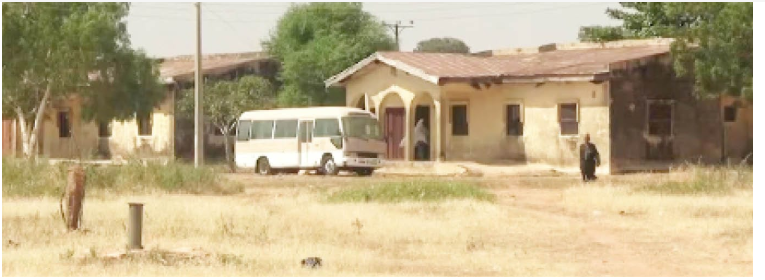
Amid escalating security concerns across the country, a wave of public outrage has greeted the decisions by the Katsina and Plateau State governments to shut down schools, followed by the Federal Government’s closure of 41 unity schools nationwide. Critics say the move signals a dangerous retreat in the face of insecurity, raising concerns about the government’s capacity to protect citizens.
Many Nigerians have expressed shock and alarm, describing the closures as a troubling sign that authorities may have surrendered to criminal elements. According to concerned citizens, if the Federal Government itself appears uncertain about national security, the implications for public confidence are dire.
Observers argue that closing schools undermines the very essence of governance. Security analysts and public commentators insist that the government’s primary duty is the protection of lives and property—an obligation they fear is being compromised. “Are gunmen stronger than our military? Certainly not,” one commentator lamented, suggesting that deeper issues may be driving the decision to shut down learning institutions.
Critics insist that unless there are hidden threats unknown to the public, the blanket closure of schools remains unjustifiable. They warn that no matter how severe insecurity becomes, shutting schools is not a viable solution. Instead, it poses long-term risks to national development. Analysts argue that keeping children at home does little to curb violence; rather, it may worsen social instability and deprive the nation of its next generation of professionals.
Schools, they stress, are critical pillars of socialisation—places where children learn discipline, values, and knowledge that shape future leaders. “It is in schools that doctors, teachers, soldiers, police officers, and political leaders are nurtured,” another concerned voice stated, warning that disrupting education today will create gaps that Nigeria may struggle to fill tomorrow.
Security experts caution that the mass closure of schools projects weakness and could embolden criminal groups who see an opportunity to intensify attacks. Instead of locking down educational institutions, many argue that the Federal Government must adopt smarter, more robust strategies to ensure student safety.
Calls are mounting for President Bola Tinubu’s administration to reverse the decision and invest in stronger security frameworks—ranging from surveillance systems and trained guards to intelligence-driven operations around school environments.
Education advocates insist that safeguarding schools is non-negotiable, describing education as the cornerstone of national progress. “Compromising it,” they warn, “is equivalent to compromising Nigeria’s future.”
As insecurity continues to test the nation’s resilience, citizens say the government must demonstrate resolve—not retreat—by defending both students and the country’s educational system.