

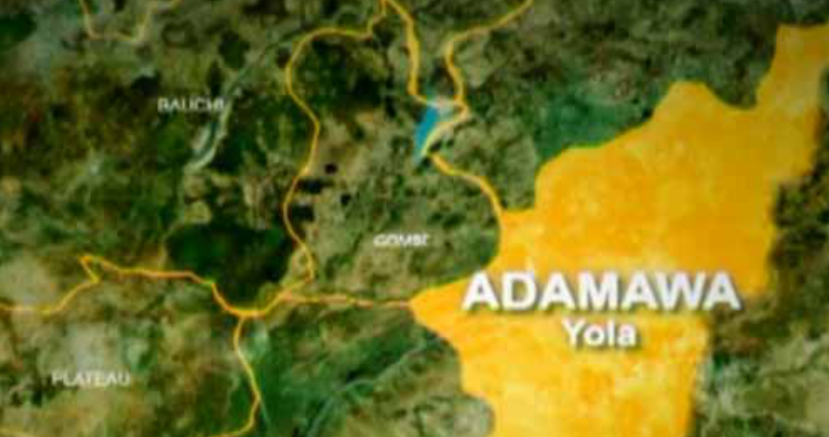
The Office of the Vice President, in collaboration with the North-East Development Commission (NEDC), has trained about 100 teachers in digital literacy as part of efforts to strengthen education delivery in Adamawa State and the wider North-East region.
The Senior Special Assistant to the President on Regional Development Programmes, Mariam Masha, disclosed this during the Academic Support and Skills Enhancement Programme held in Yola. She said the training targeted senior secondary school teachers in science, technology, mathematics, and agriculture across Adamawa, Bauchi, Borno, Gombe, Taraba, and Yobe states.
Masha explained that the initiative aligns with President Bola Tinubu’s Renewed Hope Agenda, aimed at bridging educational gaps and equipping teachers with the digital and technical skills required for effective classroom delivery.
According to her, the programme is designed to enhance teachers’ ability to integrate technology into teaching, thereby improving learning outcomes and preparing students for the demands of a rapidly evolving global and digital economy.
The Managing Director of NEDC, Mohammed Alkali, represented by Adamawa State Coordinator Khalifa Lawan, said the intervention is crucial given the devastating impact of insurgency on the region’s education sector.
He noted that more than 50 percent of the teaching workforce was lost due to the crisis, adding that the commission has so far rehabilitated schools across 112 local government areas in the North-East. He stressed that improving access to quality education is key to addressing the root causes of insecurity and fostering long-term development.
Adamawa State Commissioner for Education, Umar Pella, represented by Permanent Secretary Aisha Umar, commended the initiative, describing continuous teacher training as essential for improving classroom effectiveness and student performance, particularly in critical subjects.
Also speaking, Augustine Okoronka of Modibbo Adama University emphasized the importance of education in driving national development, urging teachers to adopt modern teaching methods and embrace lifelong learning in a technology-driven era.
One of the participants, Kieran Godiya, described the training as timely, noting that it introduced innovative tools, including artificial intelligence, as well as inclusive teaching strategies to support diverse learners despite ongoing security challenges.
The programme is part of broader efforts to rebuild and modernize education systems in the North-East, ensuring that teachers are better equipped to deliver quality education in a post-conflict environment.